
Heinkel He 111H-11, Leros [+1943]
Wreck
Max Depth: 16m | Temp.: 19°C (Oct-21)
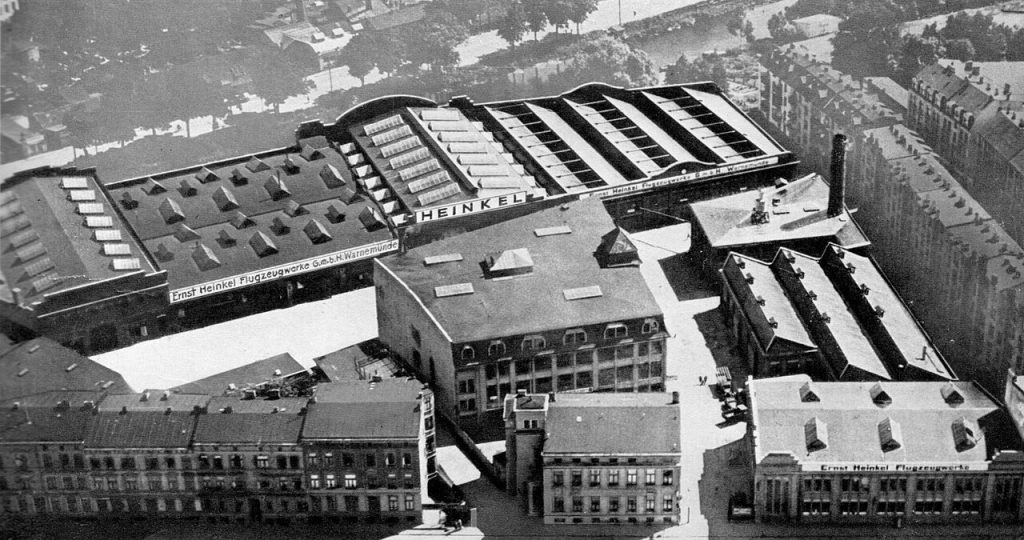
Ernst Heinkel Flugzeugwerke
Ernst Heinkel Flugzeugwerke GmbH was founded in 1922 in Warnemünde by Ernst Heinkel and developed into one of the most important German aircraft manufacturers of the first half of the 20th century, holding 1,352 aviation patents and 587 engine patents. The company’s headquarters and main production facilities were located in Rostock-Marienehe, Germany.
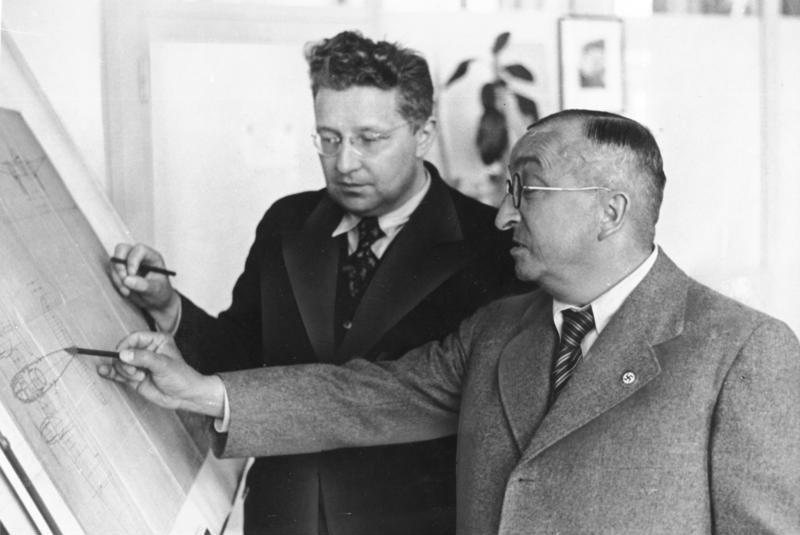
Ernst Heinkel (1888–1958), who studied mechanical engineering at the Technische Hochschule in Stuttgart, was distinguished for his interest in the development of high-performance, high-speed aircraft. Under his direction, the company developed a series of aircraft that significantly influenced the German aviation industry of the interwar period.
In 1931, Heinkel hired the twin brothers Siegfried Günter and Walter Günter, among the most capable aircraft designers of their time. The Günter brothers played a decisive role in the development of some of the company’s most notable aircraft, such as the He 51, He 70, He 111, He 112, and He 100.
Historical context
In the early 1930s, Deutsche Lufthansa and the Reich Air Ministry (Reichsluftfahrtministerium – RLM) were seeking a fast aircraft capable of serving both civil and military roles.
The twin‑engined aircraft was initially developed in civilian form; however, from the outset, it was designed with the capability of being adapted into a military bomber and transport aircraft.
This approach was directly linked to the restrictions imposed on Germany after the Treaty of Versailles, which prohibited the country from maintaining an air force. Within the framework of the secret rearmament policy of the 1930s, several German aircraft were initially presented as civilian or commercial designs, while in reality they were intended for use by the newly formed Luftwaffe.
Design & development
The He 111 was designed in 1934 as an upgraded, significantly larger version of the He 70, which at the time set the standards in air transport.
The first prototype made its maiden flight on 24 February 1935, with the military bomber version appearing third in sequence. Following continuous improvements in power and overall performance, the fifth prototype—flown in early 1936—formed the basis for subsequent production models.
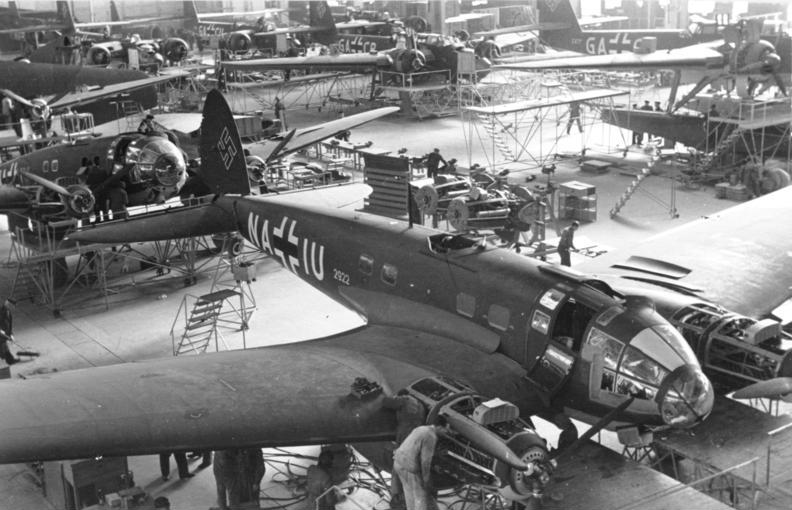
By autumn 1936, the first production models, Heinkel He 111B‑1 and Heinkel He 111B‑2, powered by Daimler‑Benz DB 600 engines, had entered production at the Marienehe facilities in Germany.
The Reichsluftfahrtministerium (RLM) was impressed by the aircraft’s upgraded capabilities and ordered such quantities that, between 1936 and 1937, new factory facilities were constructed at Oranienburg (Heinkel‑Werke Oranienburg), near Berlin, specifically for He 111 production. These facilities were later presented by the regime as a model industrial unit and a symbol of German industrial power. During the same period, Ernst Heinkel was recognized as a leading figure in the defense industry for his contribution to Germany’s rearmament.
Development stages
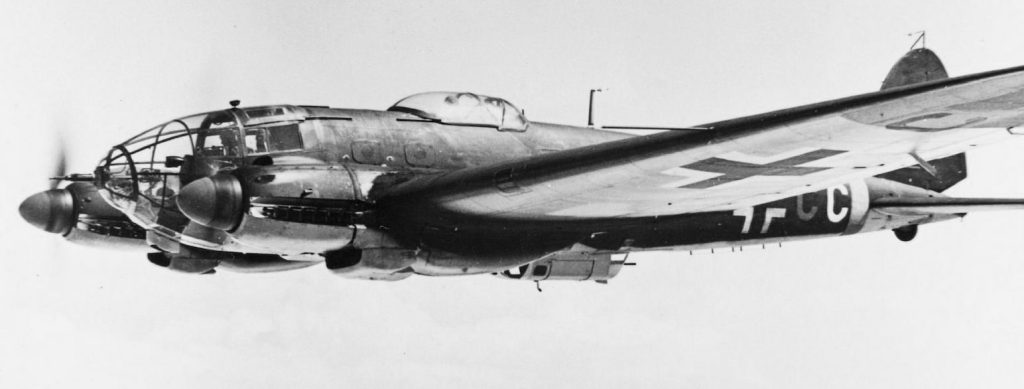
Further improvements led, by late 1938, to the production of the He 111P version. More powerful Daimler‑Benz DB 601 engines, upgraded electronics and bombsights, improved fuel tank protection, and the introduction of the characteristic nose—consisting of an elongated glazed canopy—made the Heinkel He 111 perhaps the most recognizable German bomber of World War II.
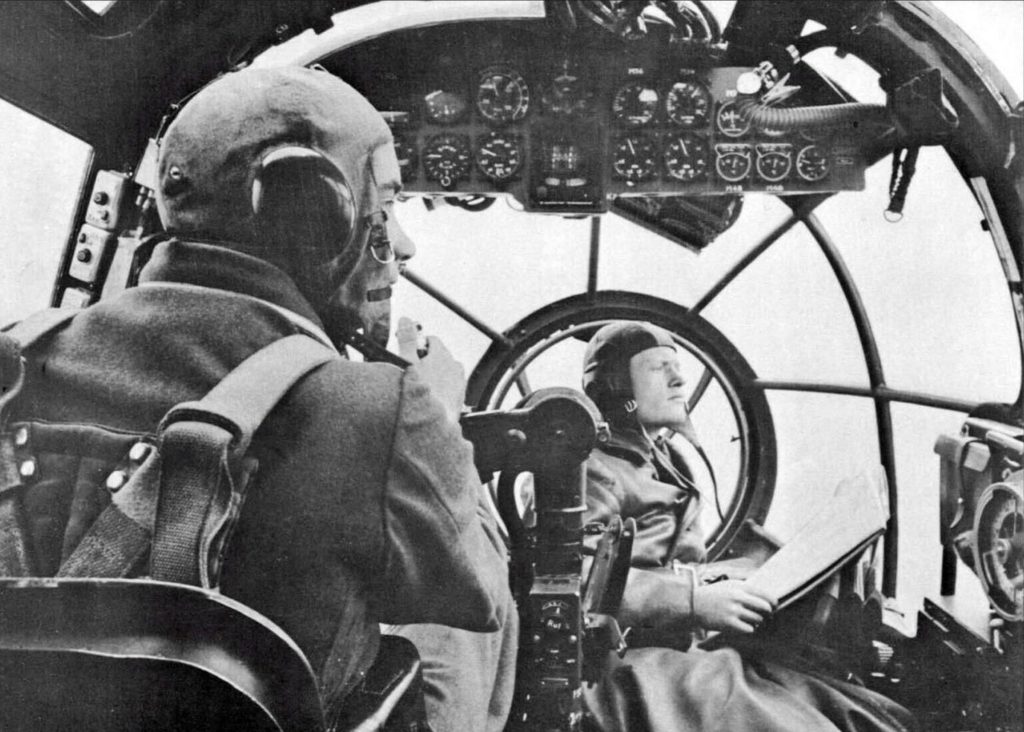
The new nose design provided the pilot with significantly improved visibility, as his position was located higher and to the left of the aircraft’s longitudinal axis, while the observer sat forward and lower within the distinctive glass nose.
This position provided the observer—who also performed the roles of navigator, bombardier, and forward gunner—with excellent visibility, facilitating both navigation and bombing accuracy.
The configuration also improved aerodynamic performance, making the aircraft relatively fast and efficient for its time.
Stronger armament, better armor protection, increased operational range, and the introduction of Junkers Jumo 211 engines led the Heinkel He 111 to its most developed and widely produced wartime variant, the He 111H, which entered Luftwaffe service in the summer of 1939.
Early operational use
The He 111 was first used operationally during the Spanish Civil War (1936–1939).
From January 1937, 30 He 111B‑1 aircraft were deployed as part of the Condor Legion, primarily in bombing missions, providing valuable data for improving both aircraft design and operational tactics.
This experience played a decisive role in shaping Luftwaffe aerial strategy prior to World War II.
Second World War – operational role
At the time of Germany’s invasion of Poland on 1 September 1939—which effectively marked the beginning of World War II—the Luftwaffe possessed a fleet of 808 Heinkel He 111 aircraft of various versions, approximately 700 of which were operational.
The twin‑engined aircraft provided the German air force with a fast and flexible medium bomber, used as a spearhead for the Blitzkrieg tactics applied successfully in major early war campaigns across Europe, including Poland, Norway, France, and the Low Countries.
During the Battle of Britain (10 July – 31 October 1940), it was extensively used in bombing raids against cities and industrial targets, causing widespread destruction.
Although initially effective, it soon proved vulnerable to attacks by Supermarine Spitfires and Hawker Hurricanes, mainly due to insufficient defensive protection and inability to match the speed of modern British fighters.
Heavy losses forced the Luftwaffe to restrict its use primarily to nighttime missions over Great Britain, having lost more than 240 aircraft of this type by the end of the campaign.
Multiple roles and adaptability
Despite its shortcomings, the He 111 remained a highly versatile aircraft. In addition to its role as a medium bomber, it was also used as a transport aircraft, a torpedo bomber in naval operations, a mine-laying aircraft, a glider tow plane, and on tactical support missions.
This adaptability kept it in service across all fronts—the Eastern Front, the Western Front, the Mediterranean, North Africa, and the Atlantic—even when it had already been technologically outclassed by newer aircraft types.
Operational obsolescence and end of production
Production ceased in September 1944, as the aircraft had become technologically obsolete and was gradually replaced by more modern and faster aircraft such as the Junkers Ju 88.
The Luftwaffe, now focusing on fighter production, continued to use remaining He 111 aircraft mainly for supply and transport missions until the end of the war.
Technical characteristics
|
Type |
Twin‑engined medium bomber |
| Crew |
5 (Pilot; Navigator/Bombardier/Nose gunner; Ventral gunner; Dorsal gunner/Radio operator; Beam gunner) |
| Length |
16.4 m |
| Wingspan |
22,6 m. |
| Height |
4 m. |
| Wing area |
87,6 m² |
| Empty weight |
8.680 Kg |
| Maximum takeoff weight |
14.000 Kg |
| Engines |
Two Junkers Jumo 211F‑2 |
| Propellers |
Three‑bladed variable‑pitch |
| Power |
1.340 hp each |
| Maximum speed |
440 Km/h |
| Cruising speed |
350 km/h |
| Range |
2.300 Km |
| Service ceiling |
6.500 m |
| Armament |
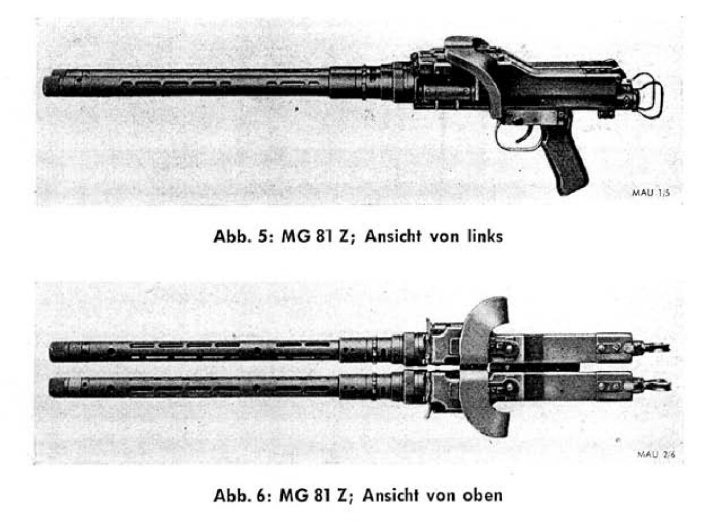
1 × 20 mm MG FF cannon (nose) 1 × 13 mm MG 131 (dorsal) Twin 7.92 mm MG 81Z machine guns (various defensive positions) |
| Bomb load |
Internal: up to 2,000 kg Maximum total (with external racks): up to 2,500 kg |
Heinkel He 111H‑11 (8011/6N+EP)
The shoot‑down
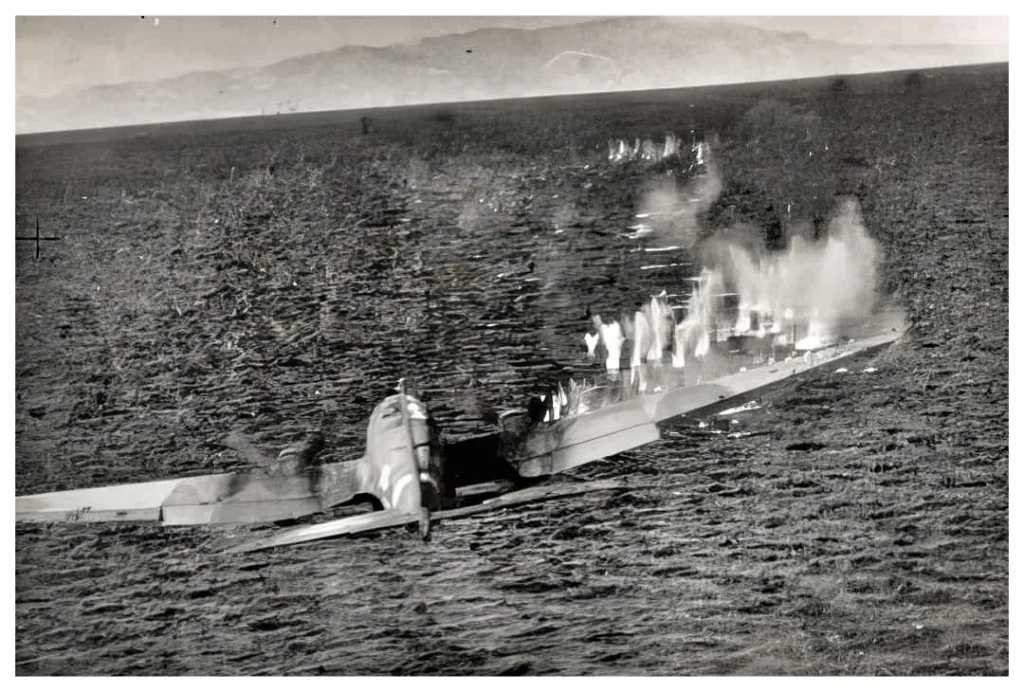
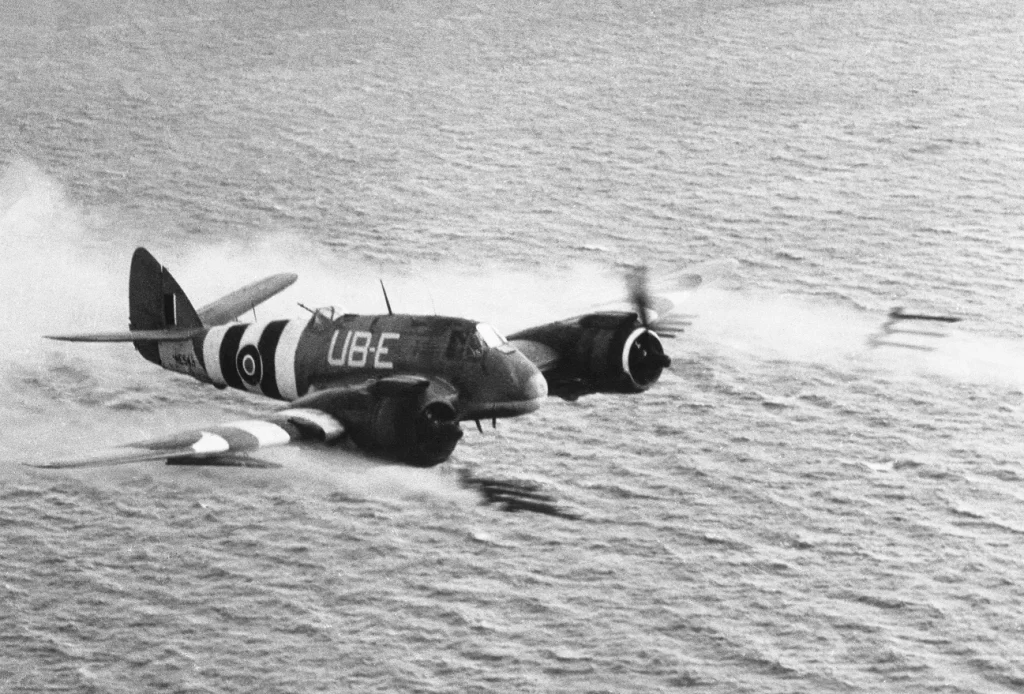
On Sunday, 14 November 1943, the third day of the Battle of Leros, four Royal Air Force Bristol Beaufighters of No. 46 Squadron—much of which had been deployed to Cyprus since late August and operated from RAF Lakatamia—took off at 11:35. They were supported by four Beaufighters of No. 227 Squadron to continue a series of offensive patrols, reinforcing British resistance on the island.
Led by New Zealander Squadron Leader (S/Ldr.) William Papillion Kemp (RNZAF), deputy commander of No. 227 Squadron, aircraft from No. 46 Squadron spotted a He 111 at approximately 14:15, roughly 10 miles east of Leros, flying at an altitude of just fifty feet, and two of them gave chase.
Aircraft JL913/E, piloted by Flight Lieutenant David Crerar with Pilot Officer L. Charles as navigator, struck the first blow from a distance of 100 yards.
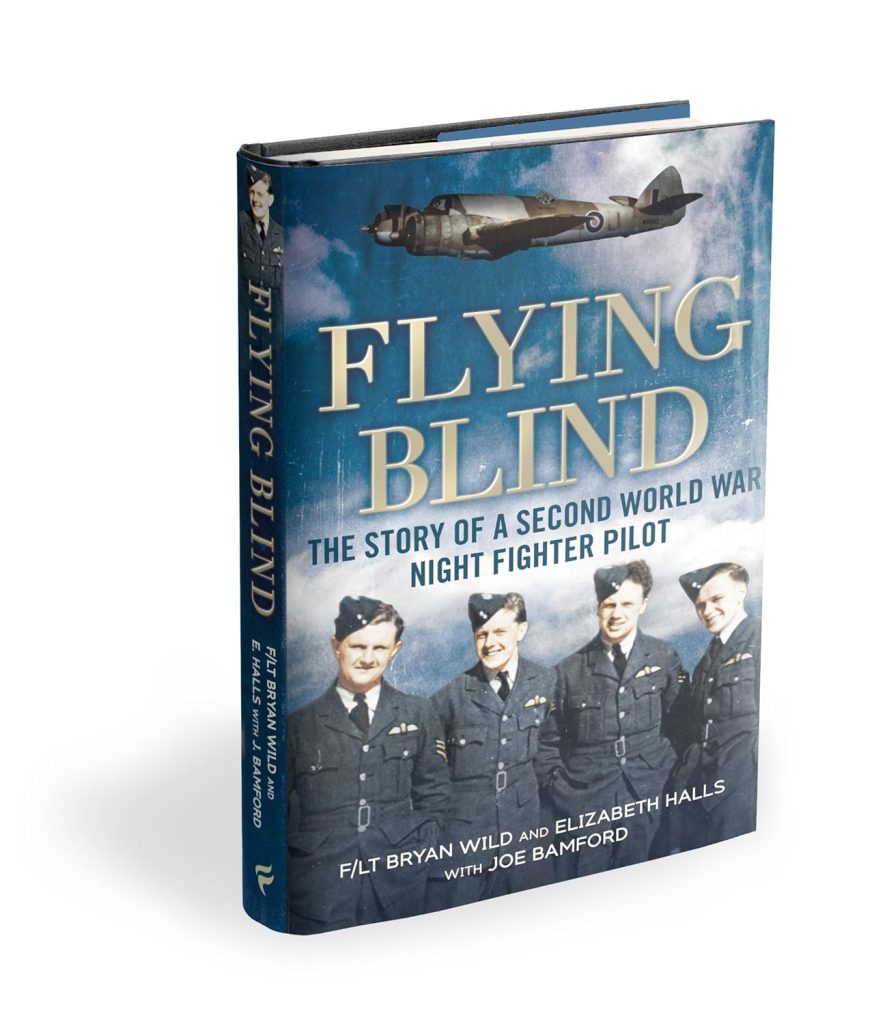
Aircraft JL898/S, piloted by Flying Officer Bryan Wild with Flight Sergeant R. W. Gibbons as navigator, followed and delivered the fatal hit to the German bomber.
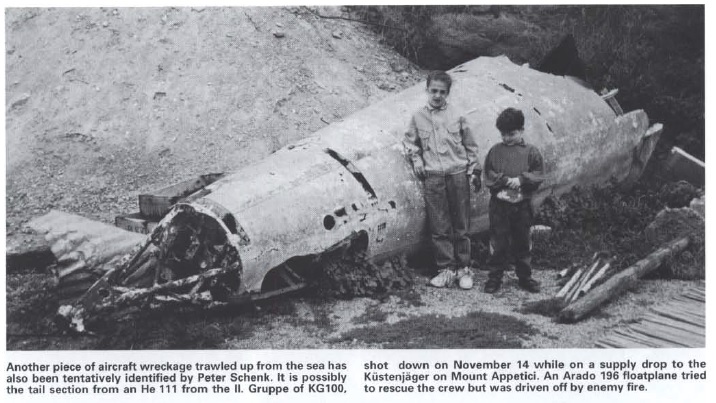
Their target was the Heinkel He 111H‑11, Werknummer 8011 coded 6N+EP, belonging to II. Gruppe of Kampfgeschwader 100 (II./KG 100), which was flying a resupply mission for amphibious commando units of the Brandenburgers and Küstenjäger stationed at Apitiki Hill on Leros.
The aircraft crashed north of Leros, between the island and the Turkish coast.
The aircraft’s commander, Unteroffizier (Uffz.) Walter Pink, survived. He had been awarded the Frontflugspange für Kampfflieger (Operational Flight Clasp for Bomber Aircrew) and also held the Verwundetenabzeichen (Wound Badge).
According to records, the remaining crew members were:
- Feldwebel Johann Sonnenschein (radio operator, WIA)
- Feldwebel Kurt Bruder (observer, MIA)
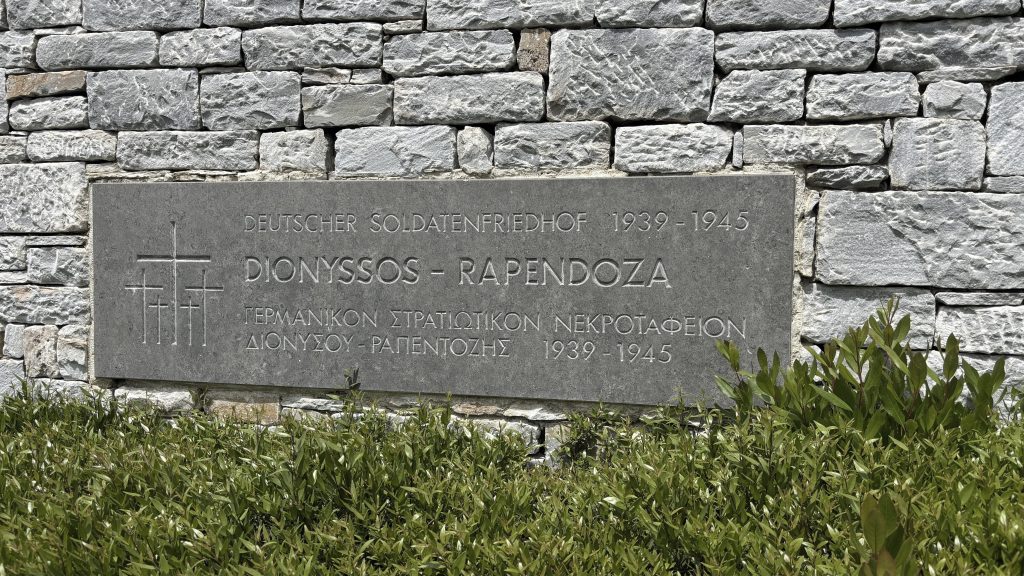
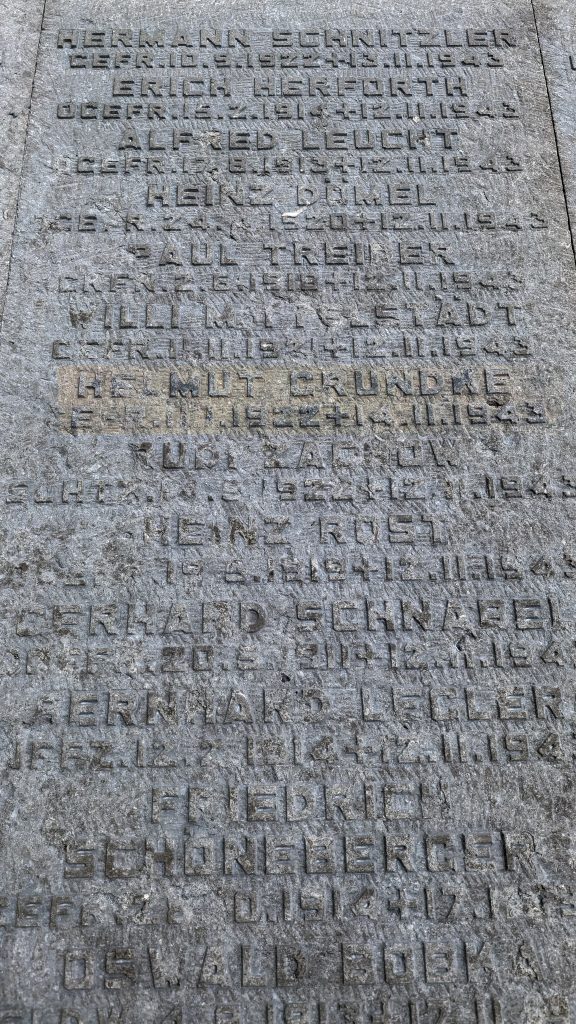
- Gefreiter Helmut Grundke (gunner, KIA), buried in the German War Cemetery at Dionyssos-Rapendoza, Attica
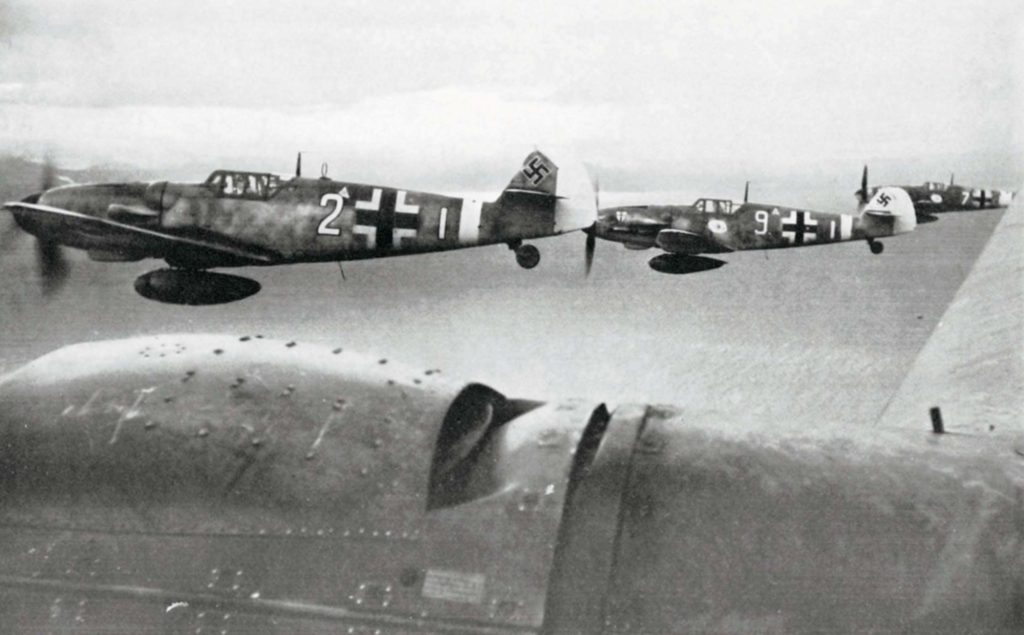
Moments later, six Messerschmitt Bf 109G fighters of III./JG 27 (including 3. and 8. Staffel) appeared from Leros.
At the same time, an Arado Ar 196 seaplane of Seeaufklärungsgruppe 126 (SAGr. 126) attempted to rescue the crew but was forced to withdraw due to enemy fire.
One of the Bf 109Gs engaged the Beaufighters of No. 46 Squadron, while the others circled around the downed Heinkel.
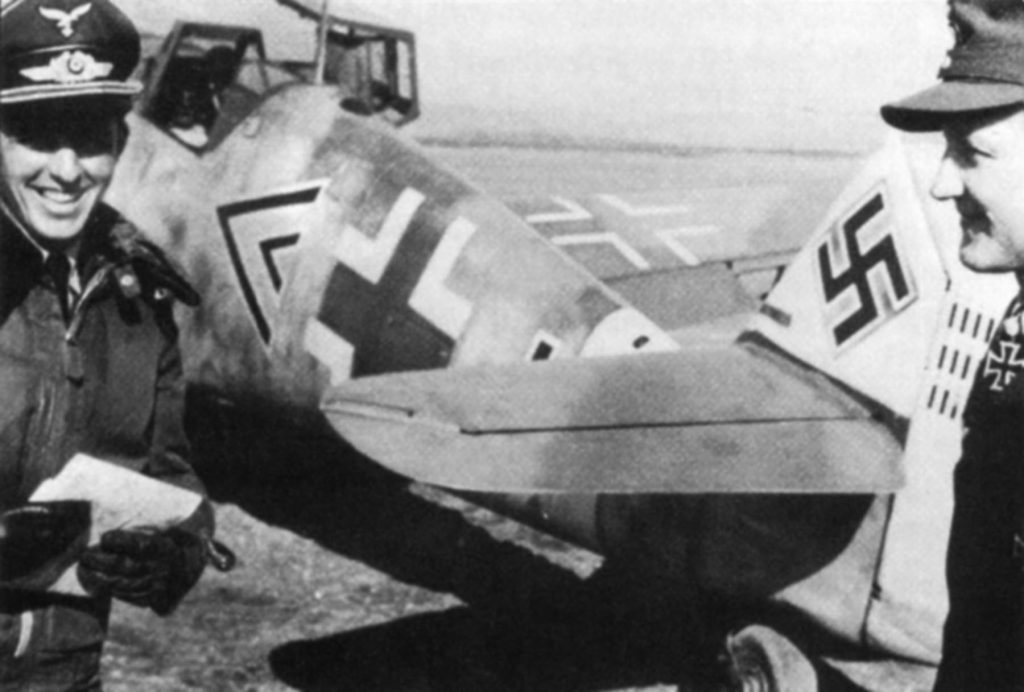
Beaufighter Mk XIC JL894/R of No. 46 Squadron was shot down by Luftwaffe ace Major Ernst Düllberg (Gruppenkommandeur, III./JG 27), marking his 22nd aerial victory.
The aircraft entered a steep climb, performed a half roll, and exploded upon impact as it crashed into the sea at 14:35 northeast of Leros.
Both the pilot, Warrant Officer (W/O) (1065996) Ronald Lindsey (RAF), and the navigator-gunner, Flight Sergeant (F/Sgt.) (1385948) Alfred Charles Arnold Gardener (RAF), were killed instantly.
The rest of the British fighters fled toward Turkish airspace, but the Beaufighter Mk. Xlc JM248/F of the RAF’s 46th Squadron, crewed by Canadian First Lieutenant F/Lt. (J/21213) Joseph Arthur Horsfall (RCAF) as the pilot and F/Sgt. (1037648) James Roger Colley (RAF) as the navigator, never returned.
They were shot down by Senior Cadet Officer (Oberfähnrich) Alexander Ottnad of 8./JG 27, who, with this shoot-down, scored his third aerial victory of the war.
The aircraft crashed out of control into the sea northeast of Agathonisi at 14:36.
The Beaufighter was completely destroyed in the explosion, leaving only distorted fragments of fuel tanks floating on the surface.
The two surviving aircraft that had shot down the Heinkel returned safely and landed at their base in Cyprus at 17:00.
The wreck today
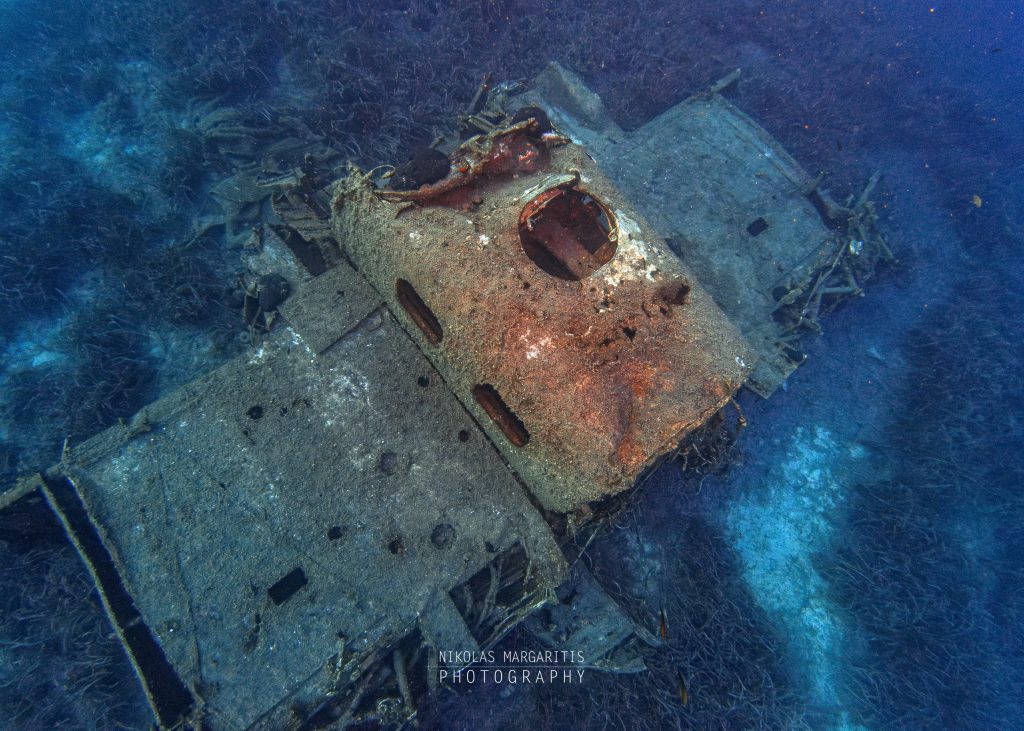
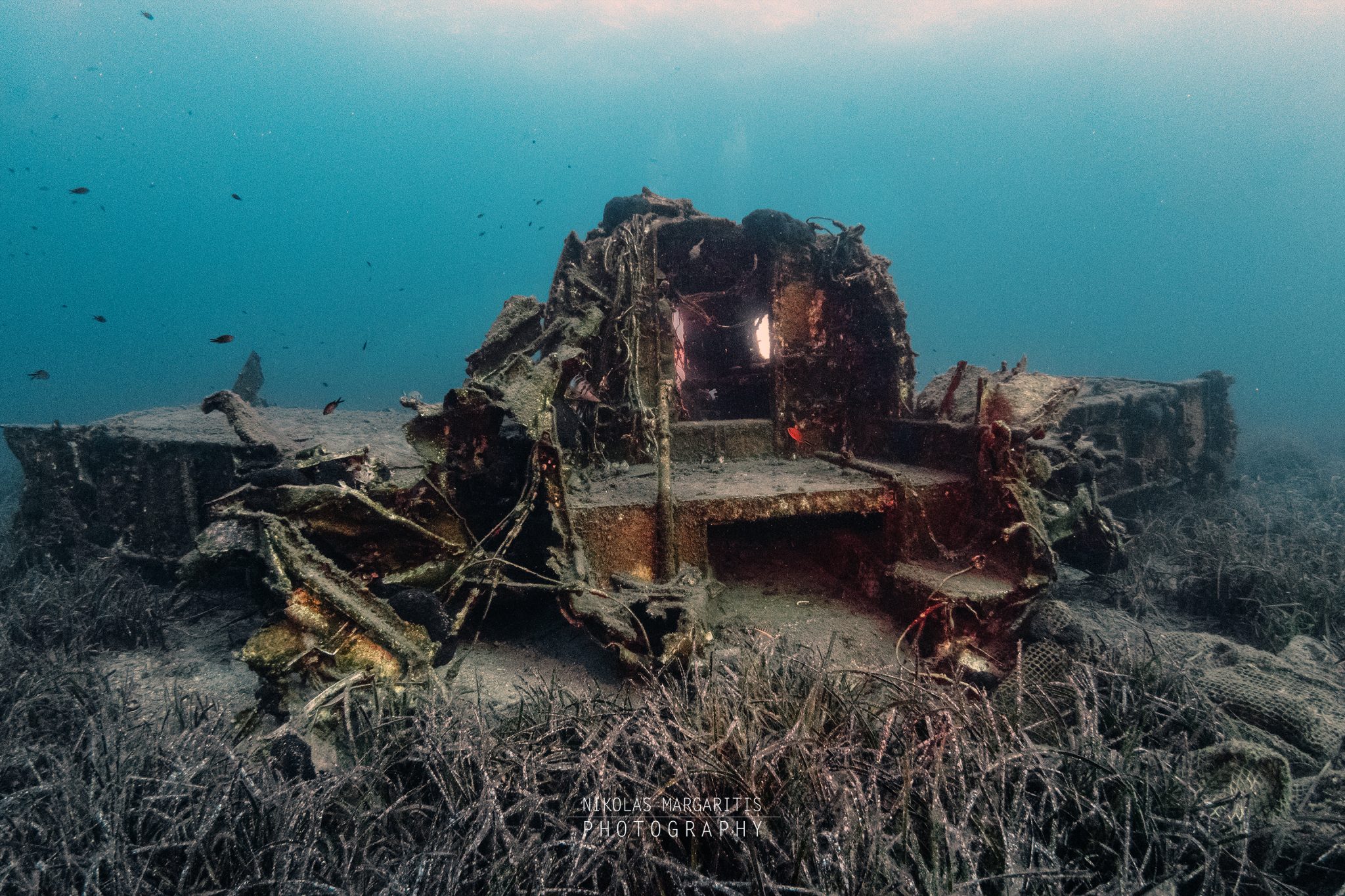
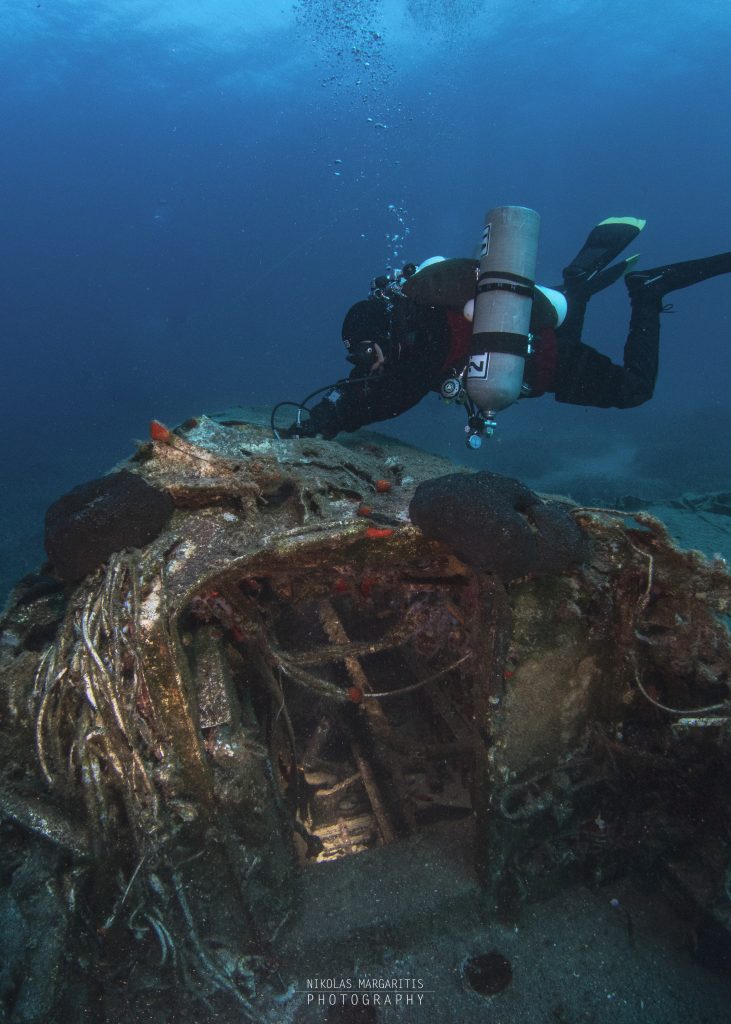
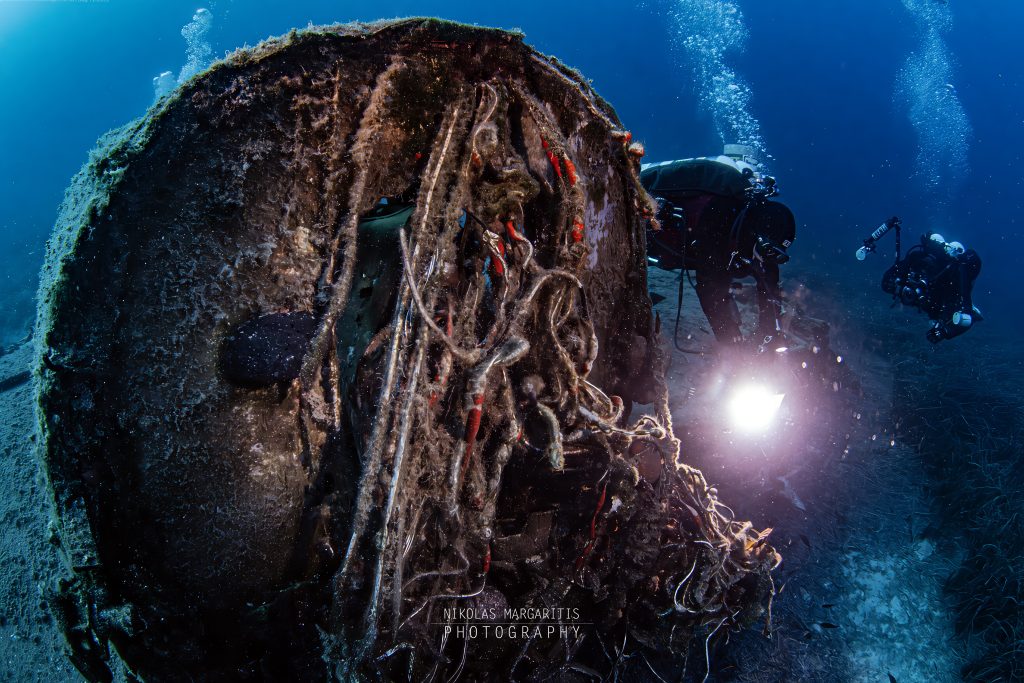
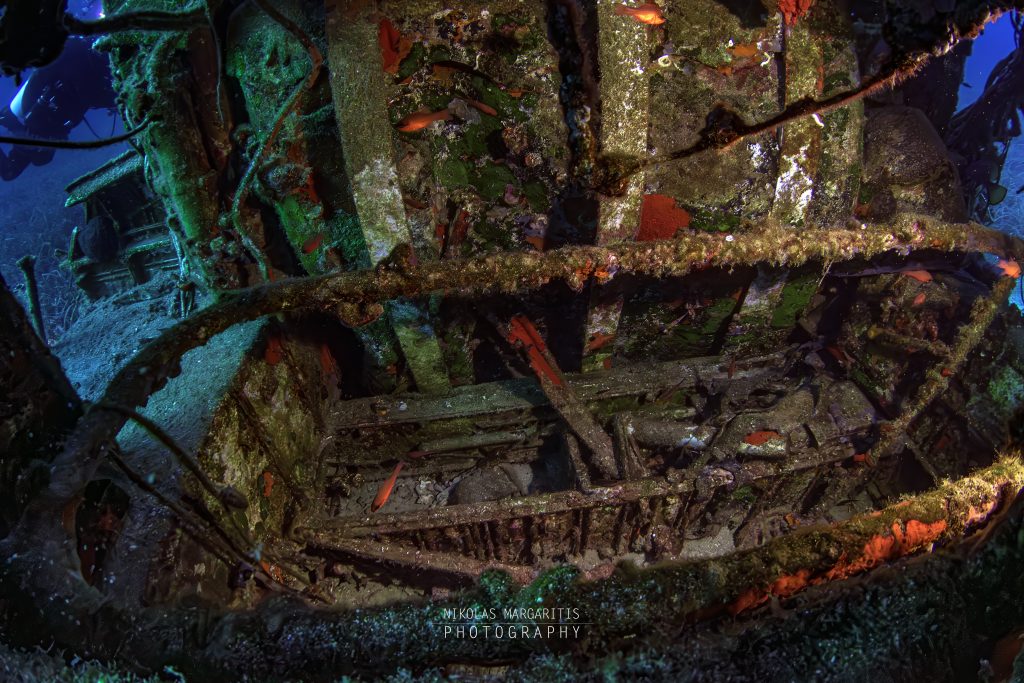
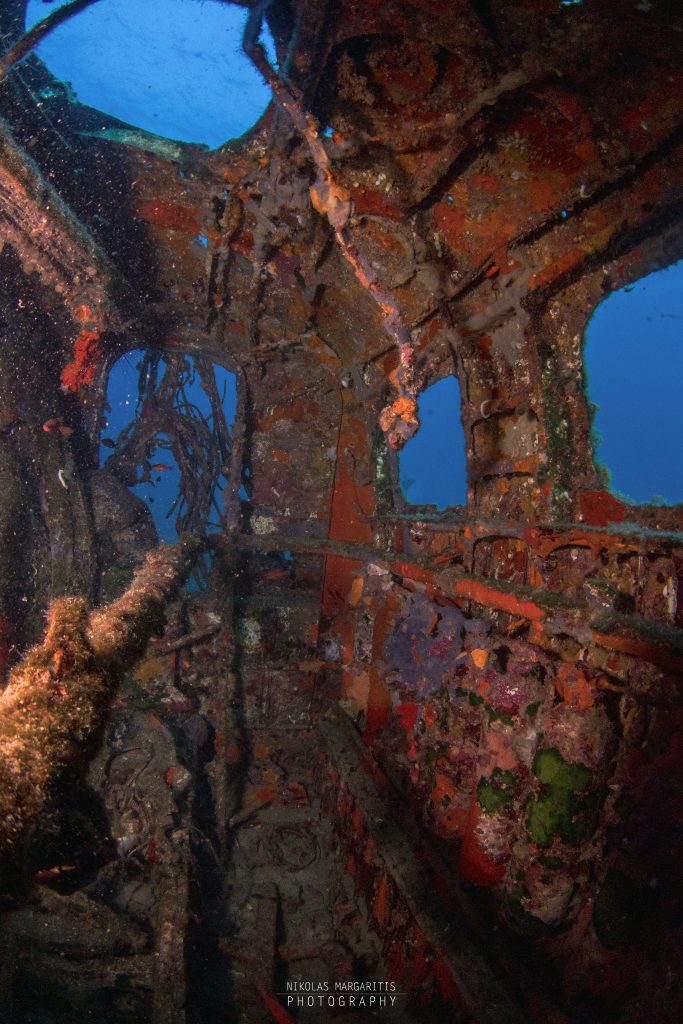
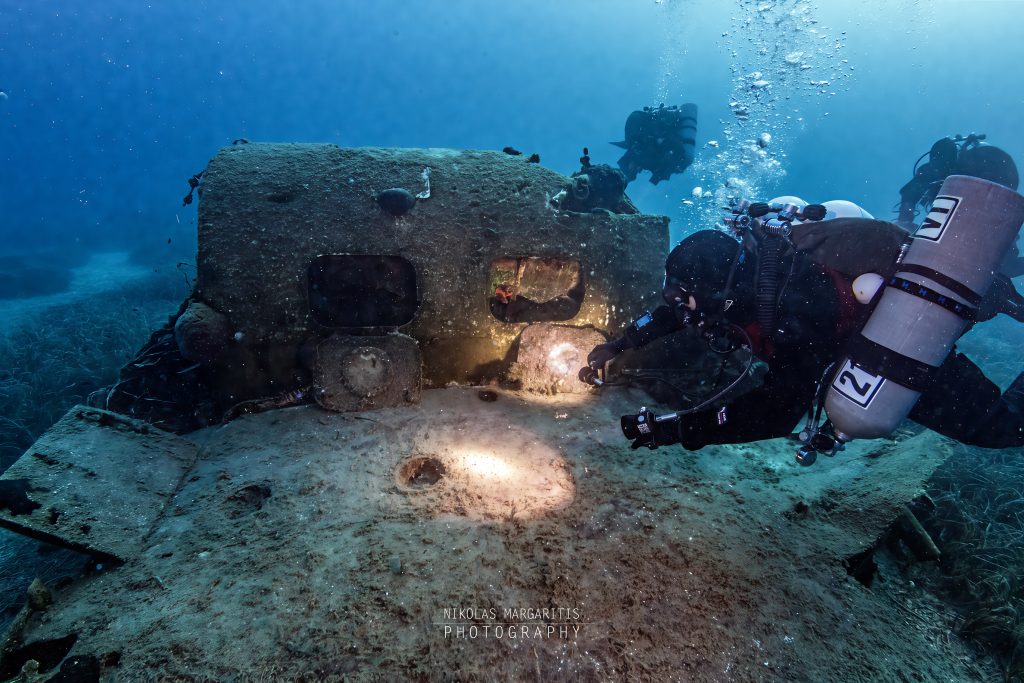
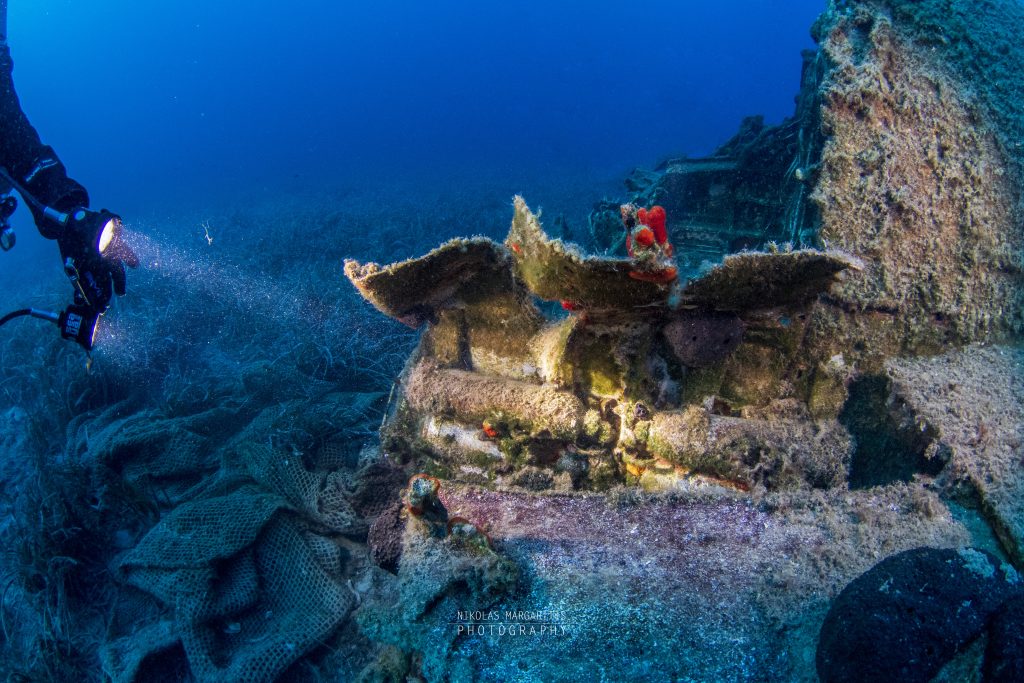
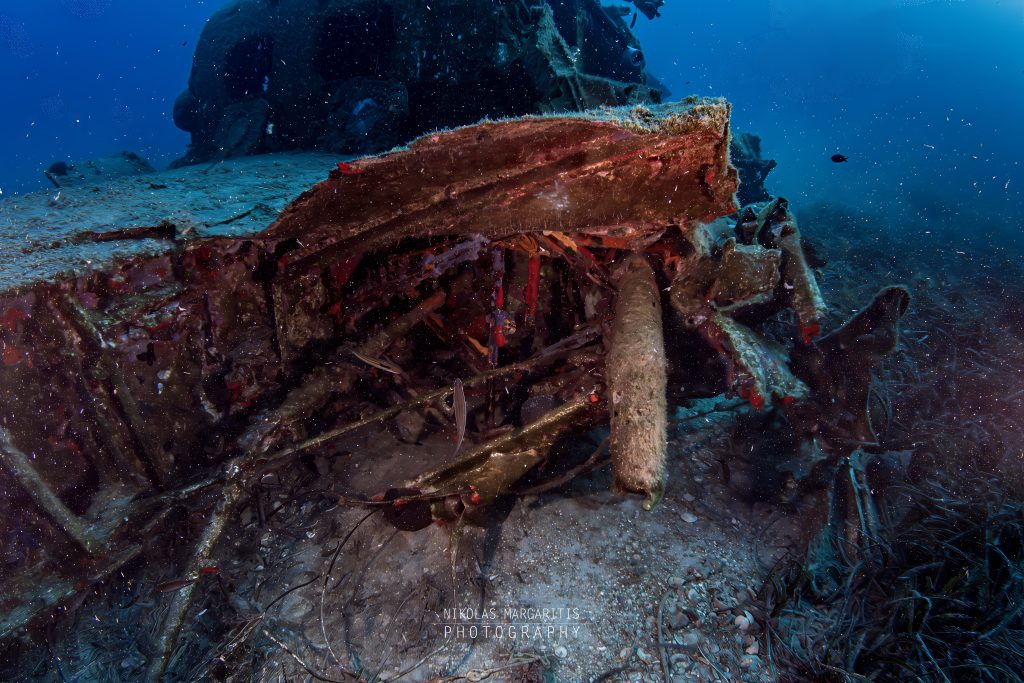
Today, only the central section of the fuselage of the German bomber survives on the seabed. It has been dragged northwest of Blefouti Bay by a fishing vessel and lies at a depth of 16 meters.
The distinctive glazed cockpit canopy, wings, and entire rear fuselage section are missing.
A remarkable feature is the presence of oxygen cylinders still in their original factory positions, from which the crew drew the necessary supply under low atmospheric pressure conditions.
The characteristic opening on the upper fuselage, where the 13 mm MG 131 defensive machine gun was mounted, confirms the aircraft’s type.
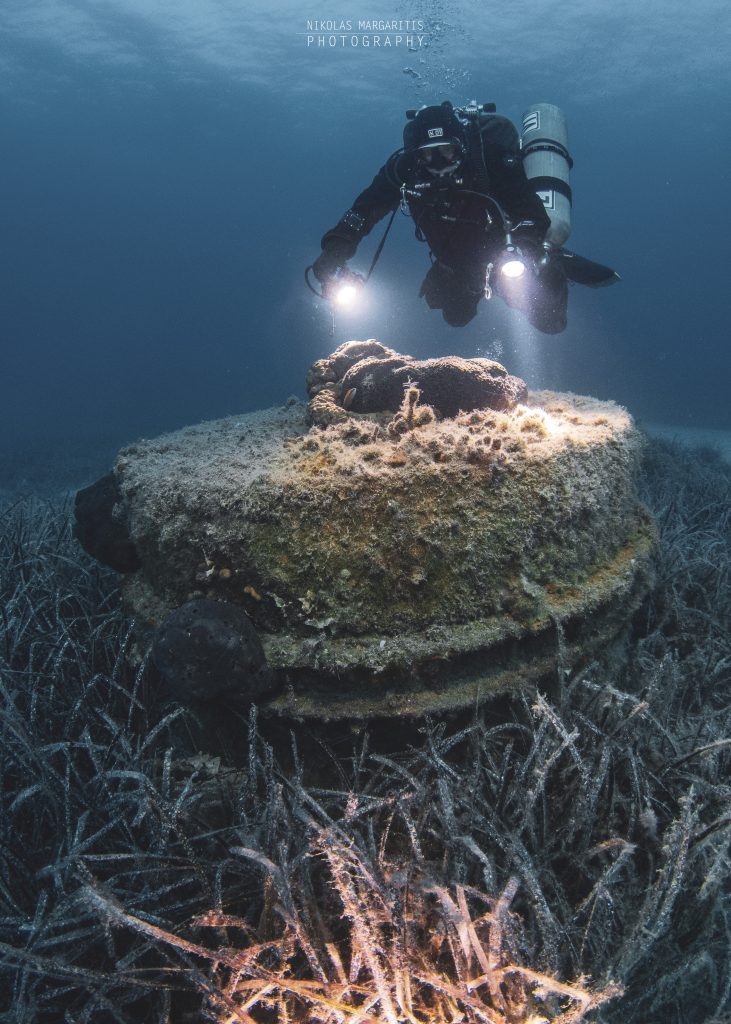
The wreck is further complemented by remnants of an anti‑submarine net that once protected the bay and the nearby Italian military installations.
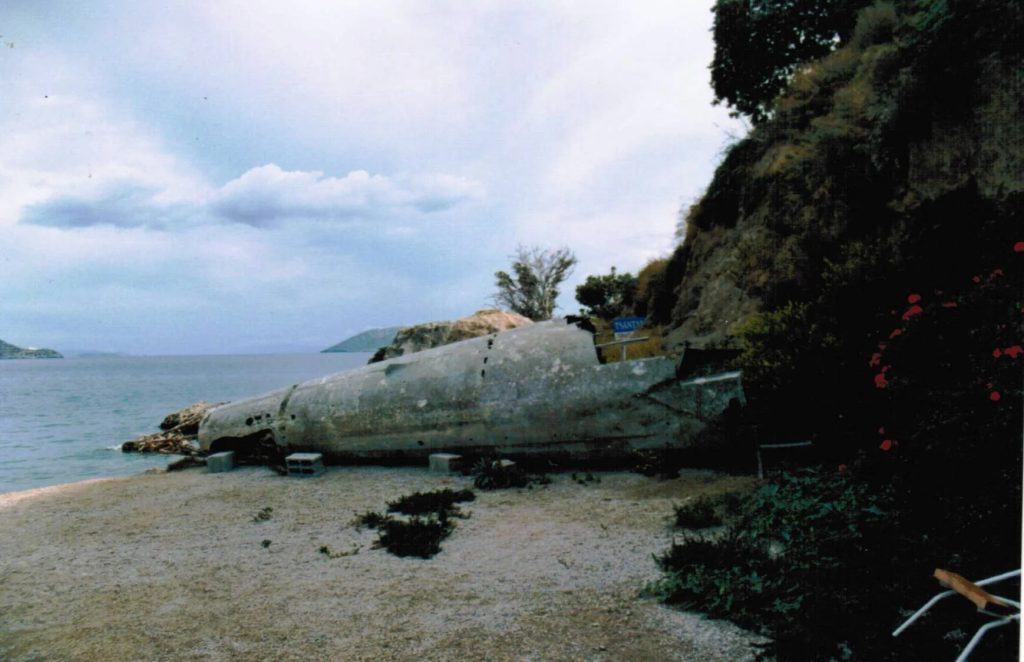
In the past, a large section of the fuselage had been located on Panteli Beach, Leros, where it was photographed several times over the decades until 2013. Since then, it has disappeared, likely during road construction works.
The shallow depth and uniqueness of the wreck make it accessible to divers, allowing them to witness firsthand the intensity of war and connect experientially with this dark chapter of history.
Acknowledgment
On 29 October 2021, as part of the Leros Dive Project conducted by our diving team on the island of Leros, we documented through photography the only known example of this aircraft type in Greek waters.
We extend our sincere thanks to Kostas Kouvas and his son Tasos, owners of Hydrovius Diving Center, for their excellent organization and planning of our dives within the limited timeframe available.
Special mention is given to Byron Tezapsidis, Giorgos Karelas, and Manolis Bardanis for their prior historical research, which formed the basis of this work.
We also thank our friends Nikos Karatzas and Nikos Kafentzis for their contribution.
Divers: Akis Seasidis, Ventouris Bountouris,, Christos Michael, Vassilis Tsiairis, Nikolas Margaritis, and Andreas Andrikopoulos.
Historical research – Text: Andreas Andrikopoulos
Underwater photography: Nikolas Margaritis
Sources
Fighters over the Aegean by Brian Cull; ISBN 9781781556320
Combat over the Mediterranean by Chris Goss; ISBN-10 147388943X
Churchill’s Folly by Anthony Rogers; ISBN: 9780750968355
After the Battle, Issue 90 (1995)
The Kracker Luftwaffe Archive: Axis Powers Pilots and Crew
The Aviation Safety Network: Bristol Beaufighter
Bristol Beaufighter Losses in Greece, 1941–1946
WW2wrecks: Heinkel-he111 of leros
Ciel de Gloire: Jagdeschwader 27: Victories 1943
Ciel de Gloire: DÜLLBERG Ernst
Asisbiz historical WWII aircraft section

 English
  Greek
Greek